Alpinestars RSRV turned a MotoGP racing suit into a leather jacket.

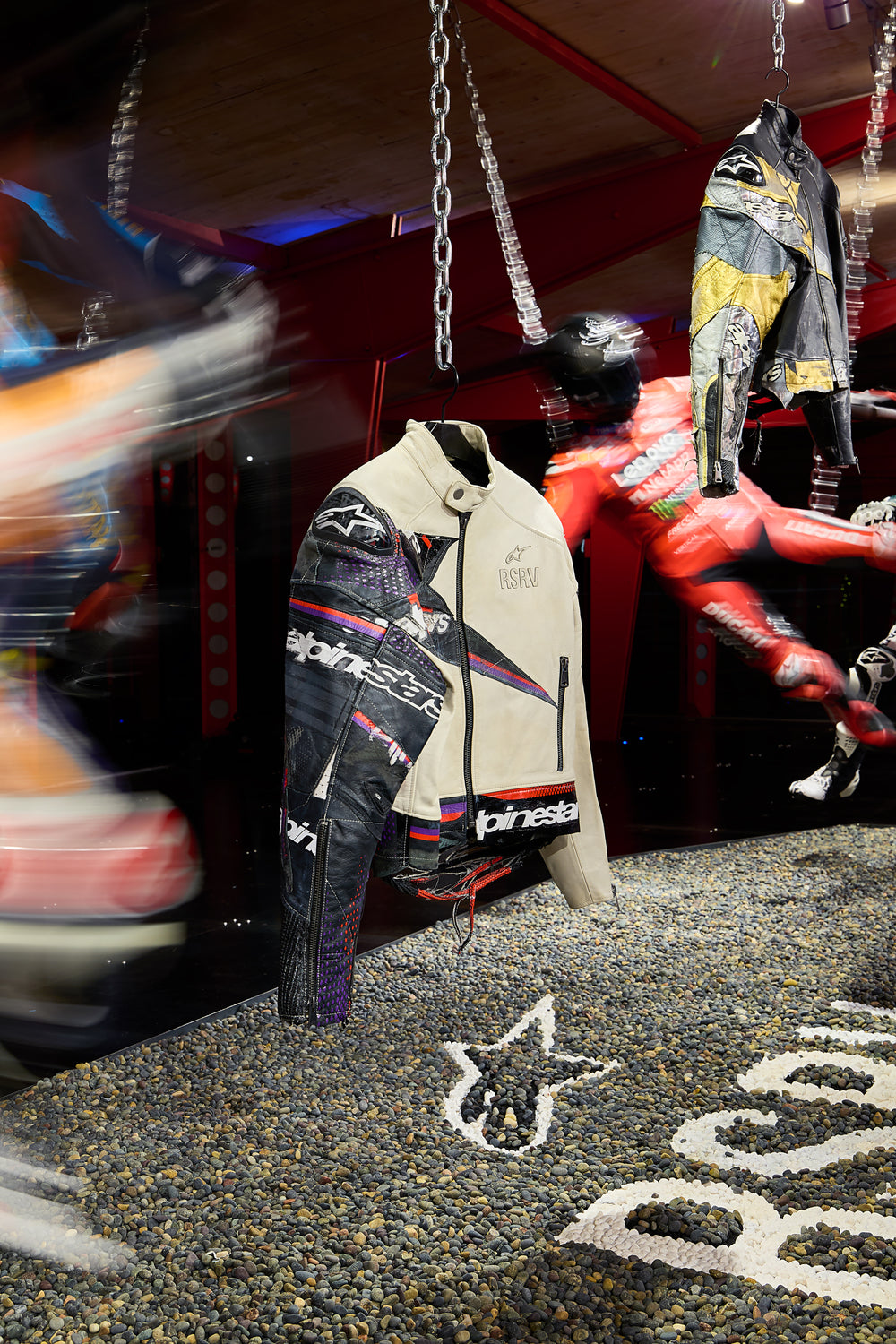
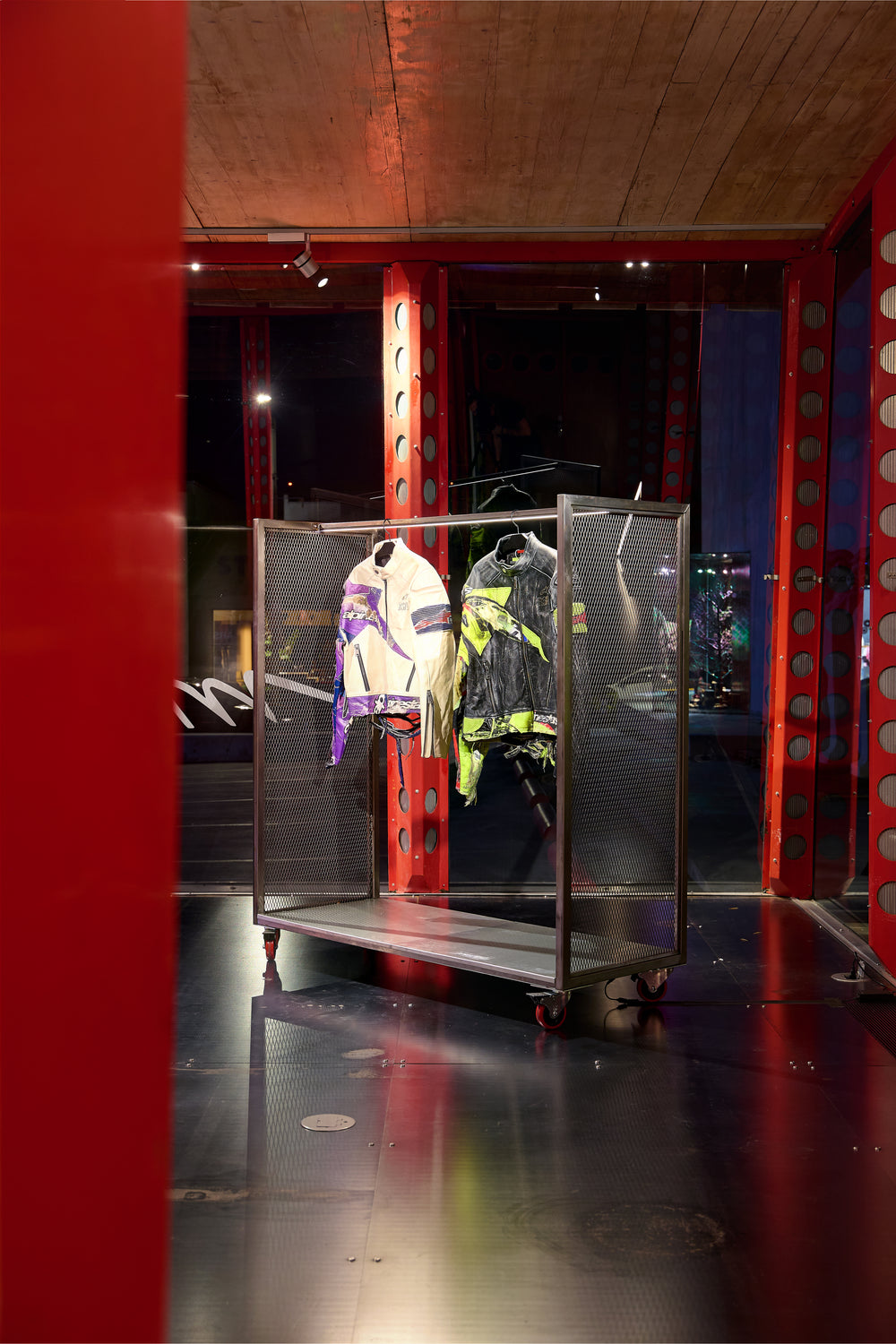
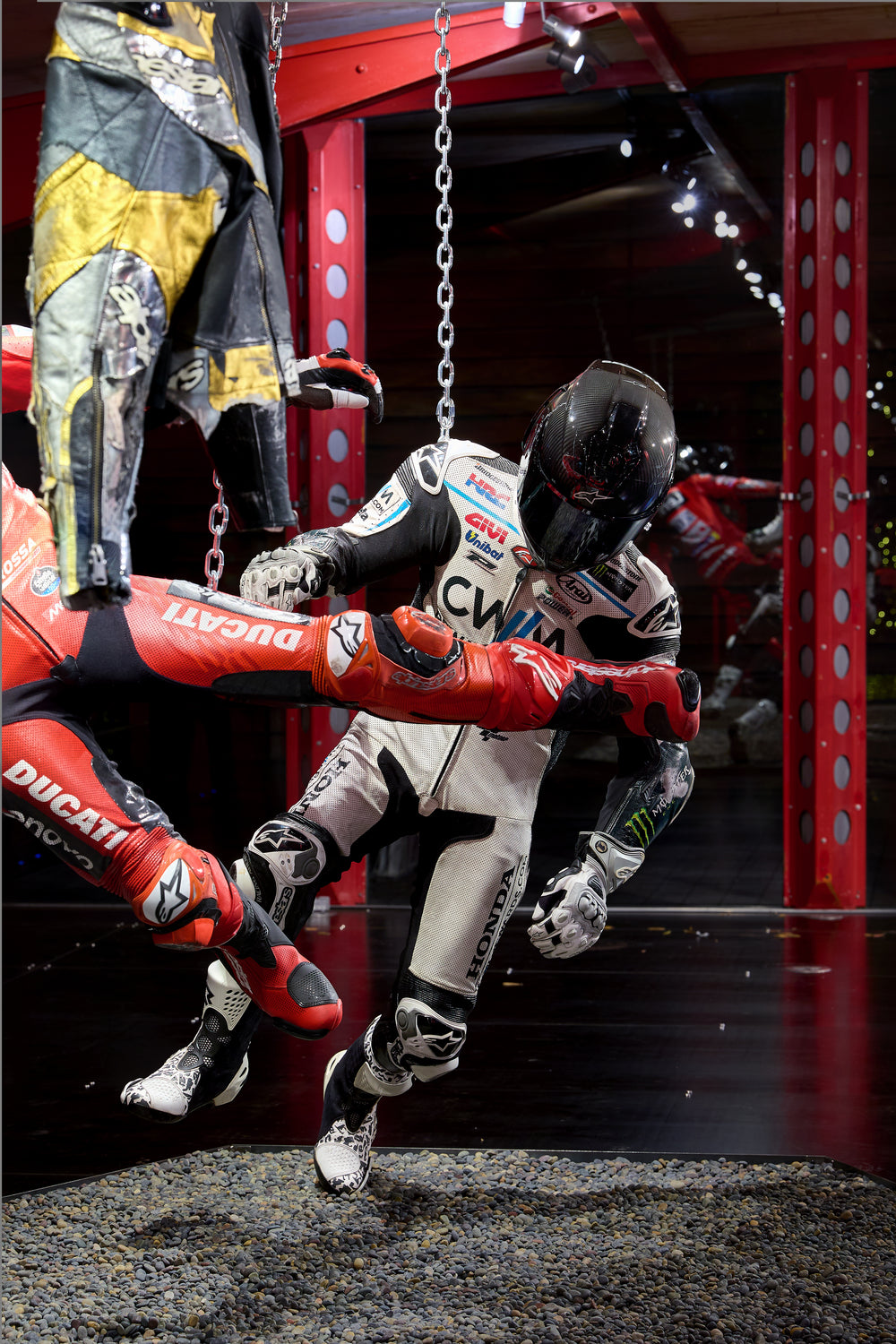
“Instead of designing something to look worn, we're working with something that has genuinely lived.” is what Denise Focil, CEO of Alpinestars RSRV, told us when we asked how working with real wear affects the design approach behind the Alpinestars RSRV x Maxfield LA 1-of-1 work. It turned eight worn MotoGP racing suits into leather jackets - in a way, giving them another life, all while showcasing the life they already lived before on the road, or the track to be exact. Alpinestars has been exploring the intersection of racing and fashion for the past 60 years, and now, it seems that this experience, alongside Maxfield, which Denise describes as “It's a place where fashion, art and objects with a story can coexist.”, served as the best ground for such a collaboration between the two, as it made treating the racing suits as pieces of art possible. It ended with a great result - an opportunity to create a limited run, and not out of scarcity, but more from a place of appreciation for the sport. Such a thing can occur only when a MotoGP race has ended, with the materials and what's left of them then flipped, while paying respect to the wearer.
Read the full conversation with Denise Below.
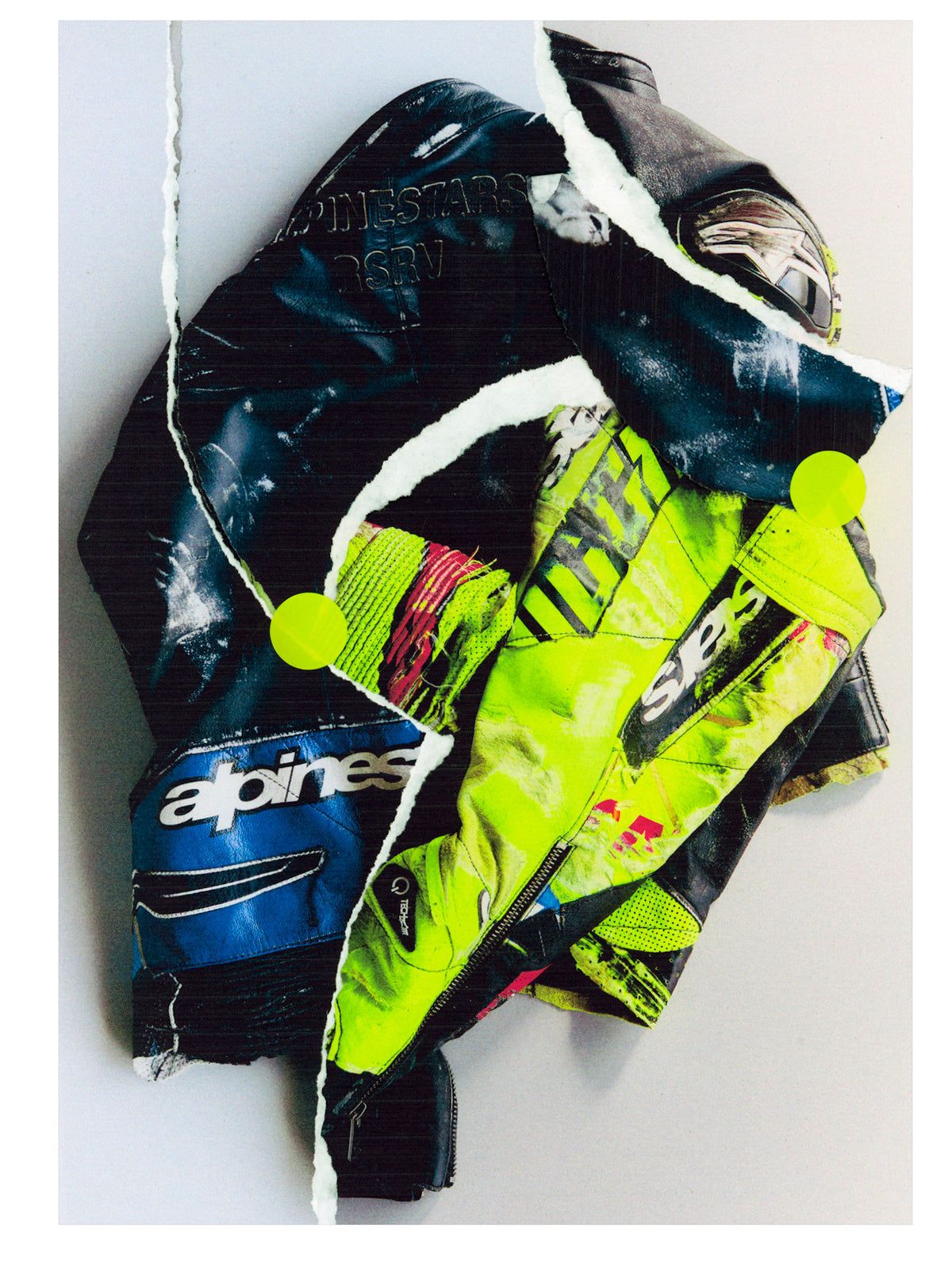
Zara: What did you see in the original race-worn leathers that made you want to give them another life?
Denise: They are part of motorcycle racing history, worn by some of the greatest racers in the world. Every mark, scar and imperfection tells a story of performance and risk. We saw an opportunity to preserve that history and give these pieces another life without losing what makes them special.
Zara: How does working with real wear affect your approach to design?
Denise: It changes the starting point. Instead of designing something to look worn, we're working with something that has genuinely lived. We let the material lead, preserving its character and allowing its history to become part of the design.


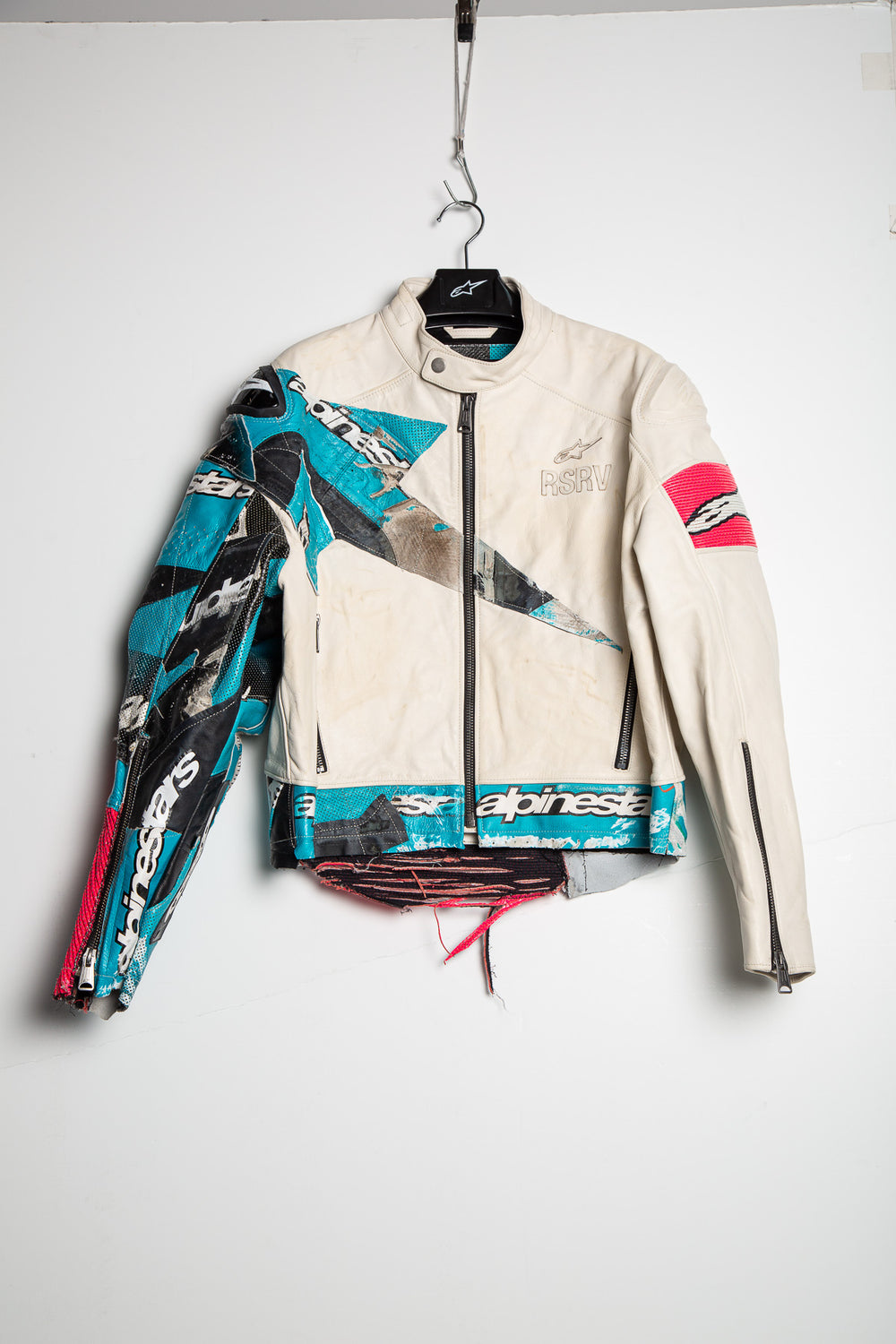


Zara: Motorcycle gear has definitely become a trend, but it’s authentic to you. What does fashion tend to misunderstand about racing, and what do you want RSRV to bring into the conversation?
Denise: Fashion often sees the aesthetic but misses the culture behind it. Racing is about performance, innovation, risk and a community built over decades. It's not a costume or a trend for us; it's our DNA (for over 60 years). RSRV brings that authenticity into a new context, through a lens of luxury, fashion and art.
Zara: What made MAXFIELD the right home for these eight pieces? How did that partnership shape the selection or the way you wanted people to encounter them?
Denise: MAXFIELD has always had an eye for pieces with character, individuality and cultural relevance. It's a place where fashion, art and objects with a story can coexist. It felt like a natural environment for these pieces, allowing them to be encountered as one-of-one objects rather than simply garments. After all, they are a collectible piece of wearable art.
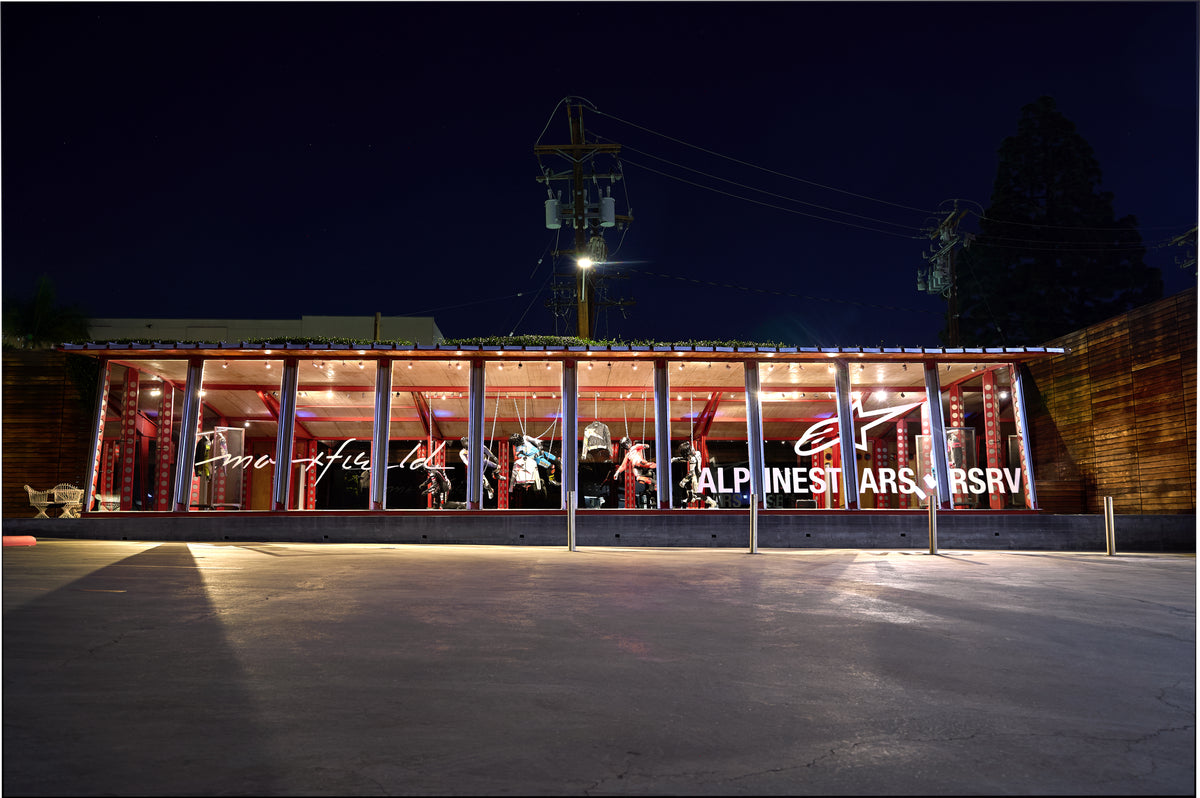
Zara: With the idea of using garments with a history in mind, what is one piece from your own wardrobe you would include in a collection and why?
Denise: The first Alpinestars jacket I ever owned (it was already vintage when I got it). It was one of our early leather jackets from the late '90s. Beyond being an iconic piece of Alpinestars history, it represents a very pure era of racing, before social media and Netflix documentaries brought the sport into the mainstream. The people at the track were true hardcore petrol heads, driven by a genuine obsession with racing. That spirit is something I would want to preserve.
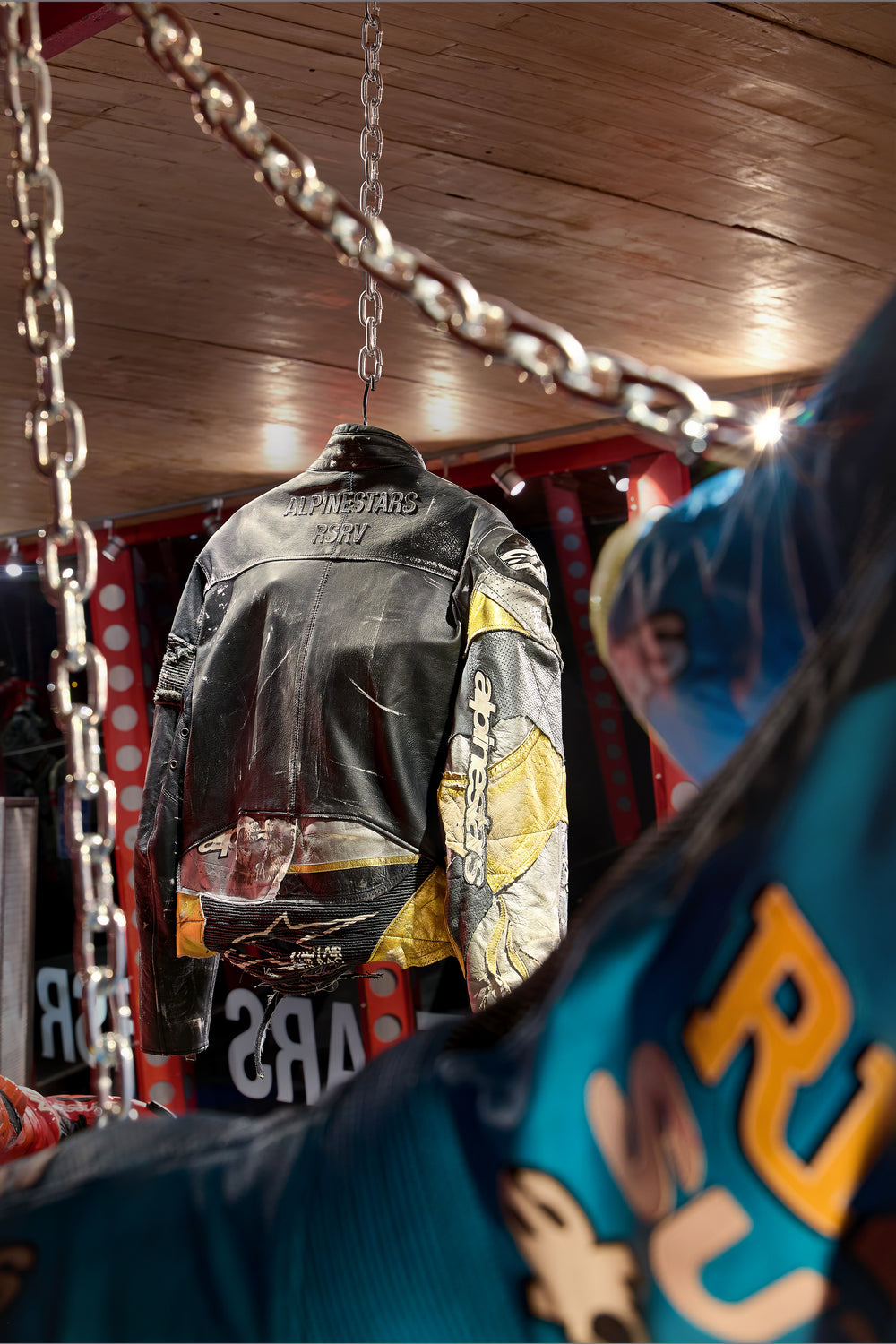
Don't miss the next one.
New stories from The Mercer Edition, in your inbox or your feed.
Keep Reading

The Half Influencer
In 2020, I stood in front of my unevenly placed iPhone 12 and filmed my 17-year-old self wearing extra-platform Doc Martens, a slightly small gingham sweater vest, and a snug black Brandy Melville miniskirt. Doing abs...
November 20, 2026

Conway The Machine's "OTIS" Is Here!
A new Conway The Machine album just landed, and it’s best for you to tune in before your friends can claim that they put you on that release - a few classics guaranteed…
November 20, 2026

Bottega’s Spring 2027 campaign mixes colors with textures straight from Venice.
In between all the campaigns that we’ve seen this season across the sector, and amidst the reactivation of the official Instagram account for Bottega Veneta, we are now met with “Colours of Venice”, the ethos on which...
November 19, 2026

The Alaïa silhouette for the holiday season is officially here.
For Alaïa’s holiday campaign,we are seeing a wardrobe made up of eight looks, with one key color that defines the whole season: black, which is a perfect choice for the Maison. The house prides itself on the architec...
November 18, 2026

Don’t let the influencers take our museums too.
I still remember the day I fell in love with the Met. It was the same day that, instead of walking aimlessly and getting lost (for hours) at the Egyptian side trying to find my way to the contemporary area (Room 999 a...
November 18, 2026

Are we in the Grunge era of Social Media?
Lately, through the constant use of social media, combined with an unexplained thirst for ’90s-driven aesthetics and consumption choices, in the likes of La Haine, Perfect Blue and Do the Right Thing (‘89, we know, bu...
November 17, 2026

Can Luxury fashion survive without the culture?
By now, we are all aware of the habit of “tapping into” creatives from certain cities as a mask to protect a failing product. At the end of the day, it has traditionally been two hands washing each other: the brand ge...
November 16, 2026

Friends Of The Mercer: Fejz
“I guess I’m just trying to figure out what comes after achieving something I’ve wanted for so long.” was the sentence that caught our attention throughout the conversation, because more than anything, it presents a c...
November 14, 2026

Brooklyn Pacha is Giving New Yorkers a Reason To Party This Winter.
For years, New York’s nightlife has operated on a seasonal schedule. Once the temperatures dropped, options for a proper night out became noticeably slimmer (non- existent some might say). For a city with no shortage ...
November 14, 2026

MERCER___FM: CYCLE 02
As we proceed, to give you what you need… Our editors converged once again to compile our playlist for the weekend, quite an interesting one, with select tracks ranging from 1985 to 2026, crossing genres between boom...
November 13, 2026

Westside Gunn just dropped HEELMATIC!
You know it’s a good day when you hear AA Rashid speaking to you on a Westside Gunn album, and today, with Heelmatic, Gunn’s latest album, it happened again, so yes, it’s a good Friday today, as we unpack Gunn’s lates...
November 13, 2026

Being viewed online is not the same as being seen in person.
It seems as if our lives online have started to feel more real than anything present in front of us. In all honesty, I have lived so many hours in front of my screen. If you added them all up, it would probably be th...
November 13, 2026

Maison Margiela and Rimowa want you to travel the world with style.
A new, limited-edition Bianchetto travel collection was unveiled today, part of a Maison Margiela and Rimowa collaboration, one that turns the journey into a more complete one, a stylish one as well. The limited edit...
November 12, 2026

Friends Of The Mercer: Peri
Around October 2025, just as we exited Essex/Delancey station, coming hot off of the J train, hopped on a call with Peri to hear more about the very innovative project she conceived - Watch Lab, one where she combines...
November 12, 2026

Valentino’s latest campaign is the most impactful thing in fashion right now.
Maybe it is time to remember how much we owe Alessandro Michele for keeping that aspect of fashion alive through it all. That spirit is evident in his latest body of work: Valentino Holiday Cruise 2027. Shot in July 2...
November 12, 2026
